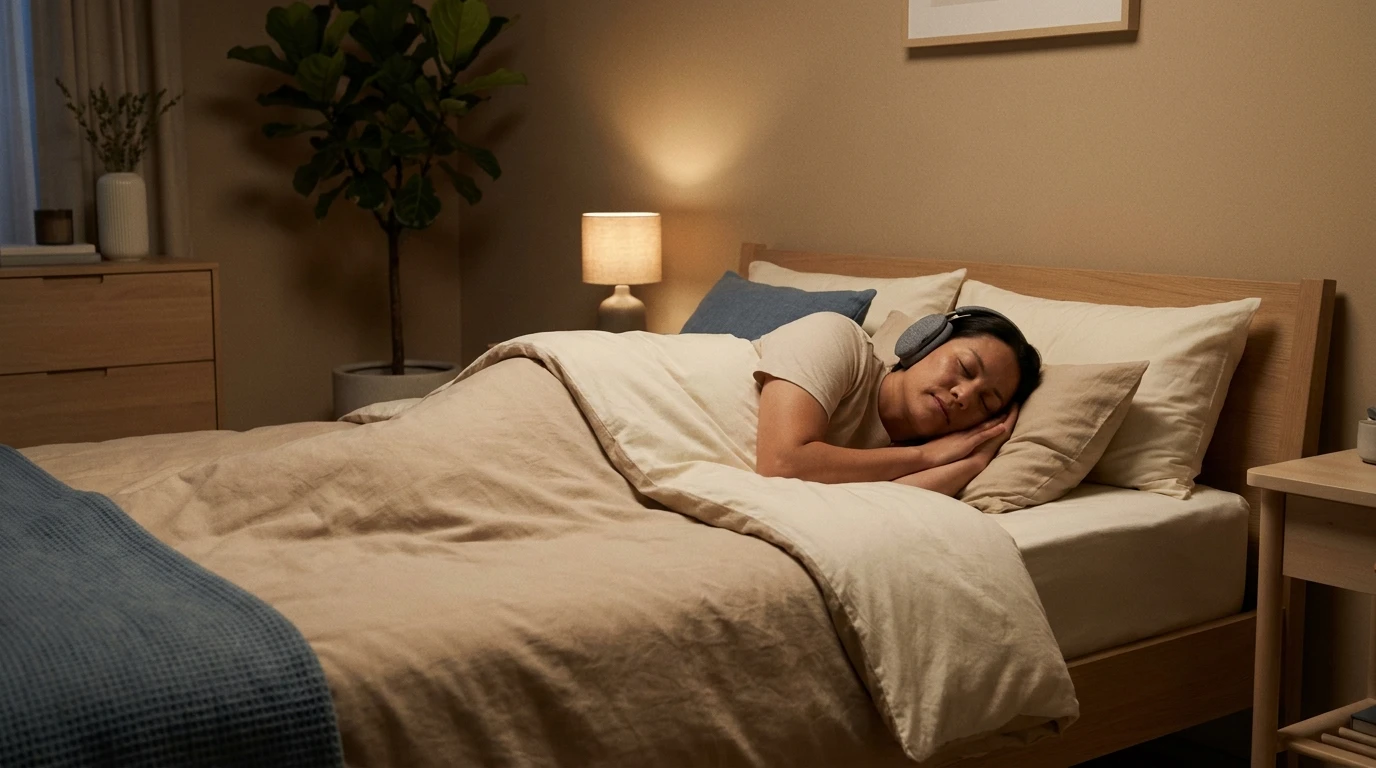
Tinnitus App vs Hearing Aid: What Each One Actually Solves
A sound app and a hearing aid with a tinnitus program aren't competing for the same job: they start from different needs. Here's what each one solves and when it makes sense to combine them.
Last reviewed: September 23, 2026
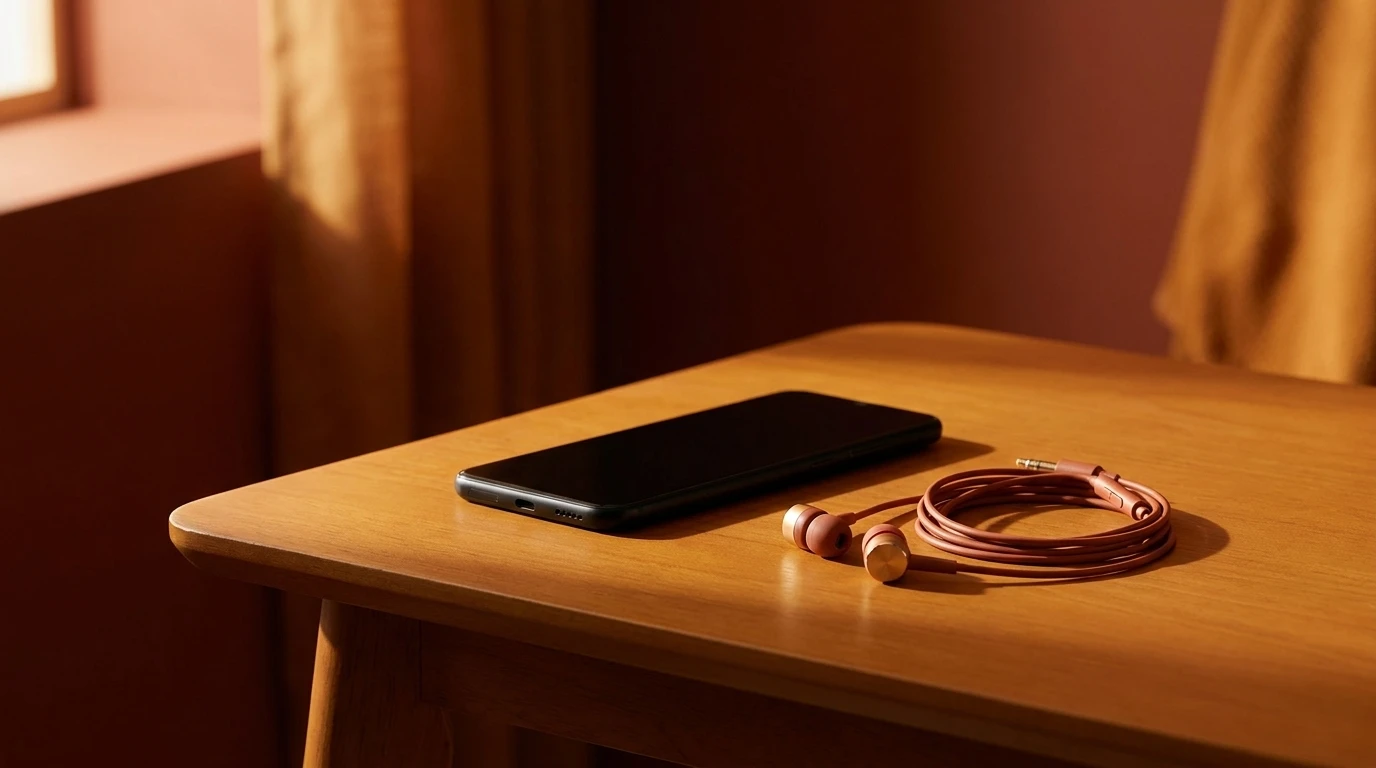
It’s one of the questions that comes up most when someone starts looking into managing ringing in the ears: is a sound app enough, or should I go straight for a hearing aid with a tinnitus program? The short answer is that these aren’t the same decision, because they don’t solve the same thing. It’s worth understanding what each one does before choosing, rather than assuming one is a cheaper version of the other.
What a Hearing Aid With a Tinnitus Program Solves
Modern hearing aids often include, on top of amplification, a sound generator meant to go along with tinnitus. It makes sense when, alongside the ringing, there’s hearing loss worth correcting: the hearing aid does both at once, amplifying what you’re not hearing well and adding a background sound. Choosing, fitting, and calibrating a hearing aid is a professional’s job: an audiologist evaluates your hearing, determines whether there’s loss and what kind, and fits the device to your specific case. It isn’t something you settle by buying a device on your own.
What a Sound App Solves
An app like Tonaleve starts from a different place: it doesn’t correct hearing, because it isn’t a medical device. What it does is guide you to find the tone (Hz) and relative level (dB SL) closest to what you hear, and with that sound profile it builds a sound program — notched, broadband, and other modes — centered on you, to help you relax, sleep, and mask background noise. It runs in the browser, nothing to install, and you don’t need a prescription or a prior evaluation to start using it.
The Difference Isn’t Quality, It’s What Each One Is For
It doesn’t make sense to compare a hearing aid and an app as if they were competing for the same spot. The hearing aid addresses a real hearing need when there’s loss involved, with professional follow-up included; the app addresses the need for a personalized background sound, on hand, frictionless, regardless of whether there’s hearing loss or not. Neither beats the other: they cover different gaps, and someone with hearing loss who only uses an app is missing the part of the picture that corrects what they’re actually not hearing well.
When It Makes Sense to Use Both
Quite a few people end up using both, at different times. The hearing aid, if a professional recommends it, during the day, to hear better overall. A sound app, at night or during specific moments of rest, to relax or sleep with a background made for you. They aren’t mutually exclusive and you don’t have to pick one for good: you can start with the audiological evaluation and, in parallel, try how well a personalized background sound works for the rest of your day.
Where to Start If You Don’t Know Whether You Have Hearing Loss
If you’ve never had an audiological evaluation and don’t know whether the ringing comes with hearing loss, that’s the logical first step before choosing either path: it’s the only way to know whether a hearing aid is right for you. In the meantime, or afterward, you can build your sound profile and try a personalized sound program right from your browser, no install needed, at my.tonaleve.app.
Frequently asked questions
- Do I need a hearing aid, or is a tinnitus app enough?
- It depends on whether you have hearing loss. A hearing aid with a tinnitus program makes sense when there's also hearing loss worth correcting, and that call is made by a professional after an evaluation. If your hearing is fine, a sound app can be enough.
- Does a hearing aid with a tinnitus program do the same thing as an app?
- They're similar in that both generate sound to go along with the ringing, but a hearing aid also amplifies what you're not hearing well. A sound app doesn't correct hearing: it only generates sound content to help you relax, sleep, and mask background noise.
- Can I use a sound app if I already wear hearing aids?
- Yes, they're different things and don't rule each other out. Many people wear their hearing aid during the day to hear better and use a sound app at night or for specific moments of rest.
- How do I know if I have hearing loss on top of the ringing?
- The only reliable way is an audiological evaluation. Ringing and hearing loss sometimes go together and sometimes don't, and you can't tell from how your ear feels: it takes a test done by a professional.
- Does Tonaleve replace seeing an audiologist?
- No. Tonaleve is a general wellness product, not a medical device: it generates personalized sound to help you relax, sleep, and mask background noise, but it doesn't diagnose or correct hearing. If you suspect hearing loss, an audiological evaluation is the right next step.
Keep reading

Generic Background Noise or Personalized Sound: What Actually Changes
A generic background noise track is enough for plenty of situations, and it's free. Here's where it starts to fall short and what changes once sound is centered on your tone.
Sound Generated on Your Device: What It Means for Data and Battery
Tonaleve doesn't play back a recorded file: it builds the sound on the spot, from your profile. Here's what that means for data, dropouts, and battery.
Six Things to Check Before Subscribing to a Sound App
Before you pay for a sound subscription to relax or sleep, there are six questions worth asking. They apply to any app in the category, not just ours.